
Shop
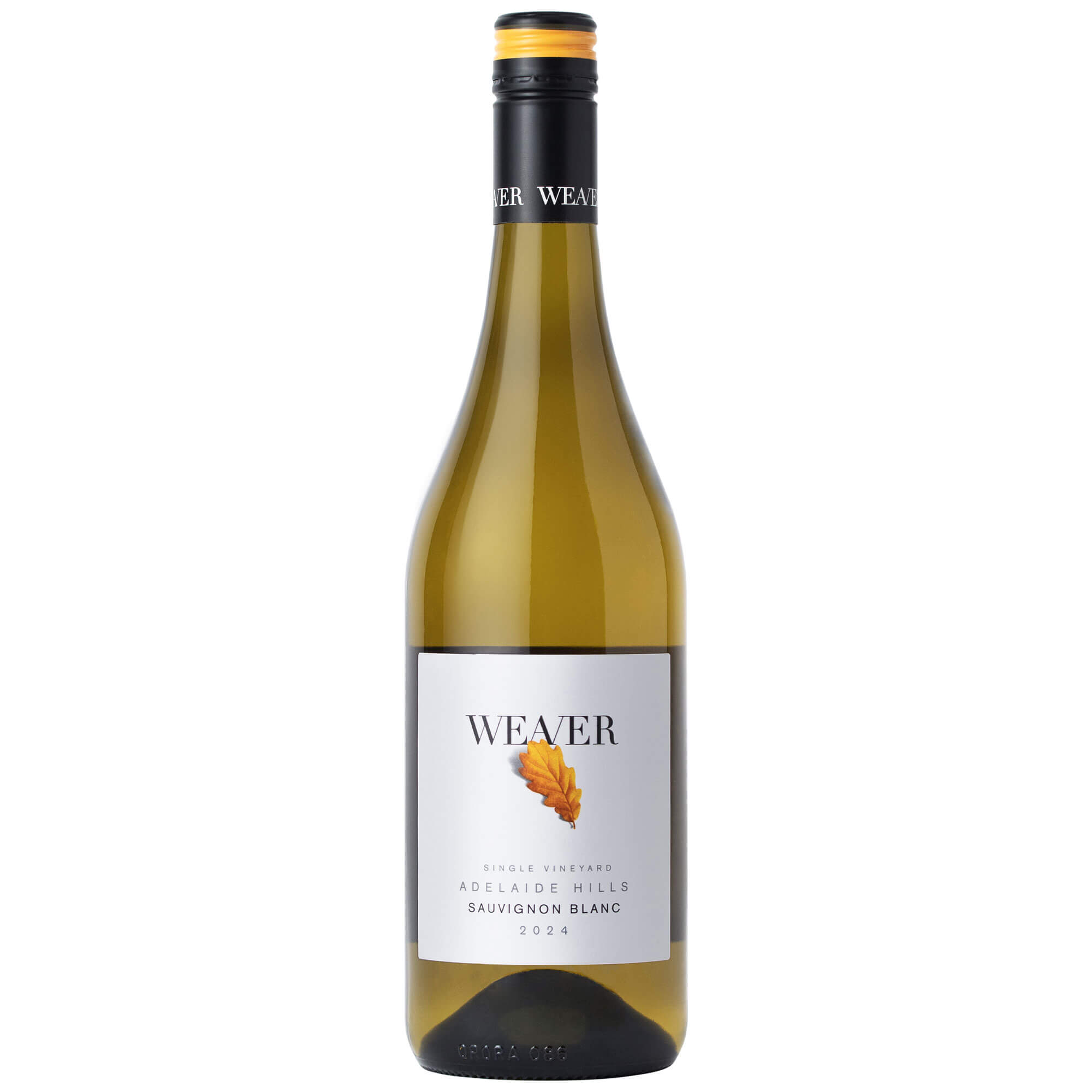
$35.00
Assessment:
Lively, tightly structured wine but with a generous, supple mid palate and a fine, long finish. The crisp acid edge and fine grain texture balances the wine and gives a long savoury finish.
Aroma:
Lifted aroma of herbs and spice. Fresh, fragrant and complex. Nothing heavy or vegetal which can be an unfortunate character found in some Sauvignon wines.
Colour:
Pale straw with a light green tinge.
Palate:
Fresh fruit with a lively, juicy richness on the palate and a lingering, fresh acid edge to the finish. Full, long and gently textural.
Oak maturation:
None.
Alcohol:
13.5% by volume
pH:
3.06
TA (g/L):
7.2
Closure:
Screw cap
Serving suggestion:
Cool to cold. Best between 5 and 10°C.
Food suggestion:
Ideal with seafood but can be enjoyed with a wide range of foods or on its own.
Cellaring:
Will develop the character of classically aged Sauvignon with time. Can be enjoyed young and will surprise those who cellar it with its subtlety and complexity.
Winemaking:
Crush, de-stem, gently air bag press. Clear settle juice and cold ferment to dryness. Our approach is to make the wine as naturally as possible with minimal additions. The fresh aromatics of the fruit are retained and, with gentle air bag pressing, harsh extractives are not generated.
Vintage:
A warm, dry growing season. October to March rainfall only 85mm against our long term average of 221mm. In fact 2024 rainfall was just 475mm 54% of our average of 877mm. The good news is that we still had sufficient moisture in the soil to get our deep rooted old Sauvignon vines healthily through to harvest without irrigation.
Heat Degree Days (HDD) for the season was 1345. Our average is 1275. Harvest on 3rd of March which is 21 days earlier than our average harvest date of 24th March. The trend since our first vintage in 1985 is earlier picking such that the average harvest date for our Sauvignon for the last 10 years is 11th March against the average of our pick for the first 27 vintages 1988 to 2017 is 25th March. Just over 2 weeks earlier on average.
Very low crops (close to 1kg per vine) meant early ripening. Post verasion is the most crucial time for flavour development and it was thankfully free from heat extremes. Veraison is when the pea like berries expand and soften and start to accumulate sugar and, of course, flavour.
The dry season meant there was no problem with fungal diseases and lovely ripe, high acid fruit was harvested in fine weather. Our old dry grown vines do show the benefit, I believe, from deep roots sustaining them drawing on water well down past 1m soil depth. Shallow vine roots are more subject to downpours and dry spells whilst deep rooted vines have a steady but restricted supply of water which is crucial for flavour development and limits the naturally vigorous Sauvignon vines.
Exclusive Discount
15% off your first order
Join our mailing list and receive a 15% discount on your first order. Each case of wine ships free across Australia.